
Pouch filling machinery, VFFS bagging and filling & sealing lines from Lancing UK01494 623015 · sales@lancinguk.com
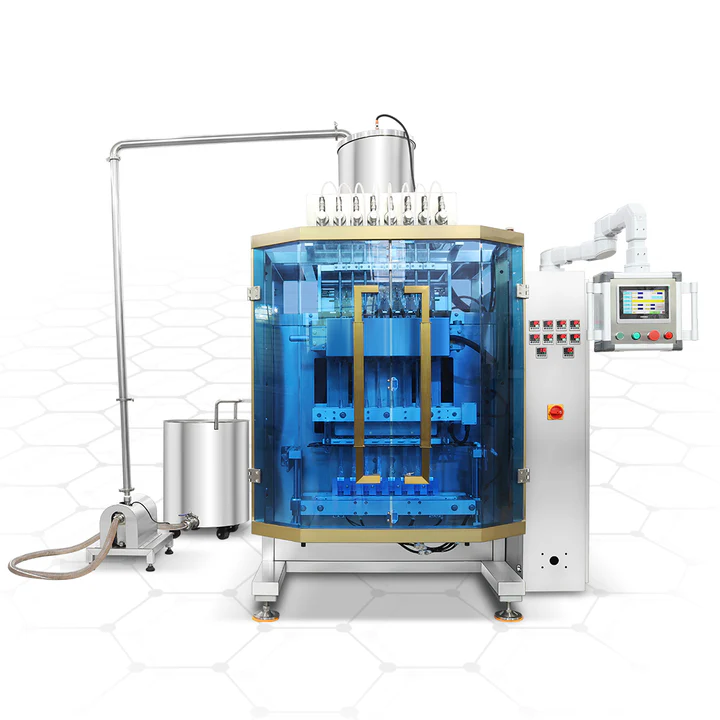
Blue guarded VFFS pouch filling machine
Question resource hub

Pouch filling machine questions for buyers and engineers.

Find direct, practical answers about selecting, testing, integrating and buying pouch filling machinery without relying on a model name alone.

Start with the decision the project needs to make.

This resource layer groups the questions that change machine selection, line scope and acceptance. Each answer links to the page that owns the detailed engineering guidance.

How is the machine route selected?

Match the dosing method and pouch process to the real product and finished pack. Product flow, dose, pouch style, seal requirement and required good-pack output determine whether the starting point is premade pouch handling, VFFS, auger dosing, weighing or pump filling.

Compare pouch filling machinery routes.

What packaging evidence is needed?

Provide dimensions, tolerances, material construction, closure features and representative production samples. The machine must handle the real opening, stiffness, friction, sealant, zipper, spout, gusset and print position rather than a generic pouch description.

Prepare the pouch material evidence.

How is saleable output assessed?

Count accepted pouches over a representative period and record the losses caused by stops, recovery, rejection and replenishment. Cycle rate alone does not show what the complete line can deliver to downstream packing.

Review saleable output factors.

What should be proved before acceptance?

Prove dosing, pouch handling, sealing, coding, inspection, rejection, changeover and recovery against an agreed trial protocol. Retain samples, settings and a traceable record of any intervention.

Plan the pouch filling trial.

Use one evidence chain from enquiry to handover.

Keep the product sample, pouch or film reference, machine settings, quality method and acceptance result connected. This allows a quoted capability, trial result and later support request to refer to the same defined condition.

  1. Define

    Record product, pack, target dose, good-pack output, utilities, line interfaces and quality checks.

  2. Trial

    Use representative materials and include normal refill, stop, restart and reject conditions.

  3. Retain

    Keep approved samples, recipes, drawings, results and deviations for commissioning and aftercare.

Information that improves an answer

  • Product sample and handling information
  • Fill weight or volume range
  • Pouch or film drawing and supplier specification
  • Target good-pack output
  • Code, inspection and leak-test requirements
  • Changeover and cleaning expectations
  • Utilities and line-layout drawing
  • Representative production samples

Ask the question with the product and pouch attached.

Lancing can give a more useful answer when the evidence identifies the real packaging condition and acceptance target.

Send a pouch filling enquiry

Questions about fill zone, changeover and machine acceptance.

Use these question paths when the machine route is known but the repeatable production method or sign-off evidence is still incomplete.

How much headspace does a pouch filling process need?

Set headspace from the real product, intended dose, filled shape, product movement and the clean area required for sealing or closure features.

Read the direct answer →

How should a pouch filling changeover be validated?

Approve the change parts, recipe, mechanical settings, product path, first-off pouch and restart checks as one controlled setup.

Read the changeover answer →

What should FAT and SAT prove?

Use FAT to prove the agreed factory scope and SAT to confirm site utilities, interfaces and handover against the same acceptance basis.

Read the acceptance answer →

Further questions now affecting pouch machine projects.

Is a rotary pouch machine better than a linear pouch machine?

Neither layout is universally better. Compare the station sequence, floor plan, access, filler position, changeover and accepted-pouch evidence for the specific project.

Read the full comparison →

Can recyclable pouches run on existing machinery?

They may, but the final construction needs a controlled handling and sealing trial. Recycling classification and machine compatibility are separate evidence questions.

Read the material trial guide →

What should an allergen or hygiene changeover prove?

It should prove the defined product path was cleaned safely, verified using the site's approved method, reassembled correctly and released with acceptable first-off pouches.

Read the hygiene guide →
Call nowContact us